
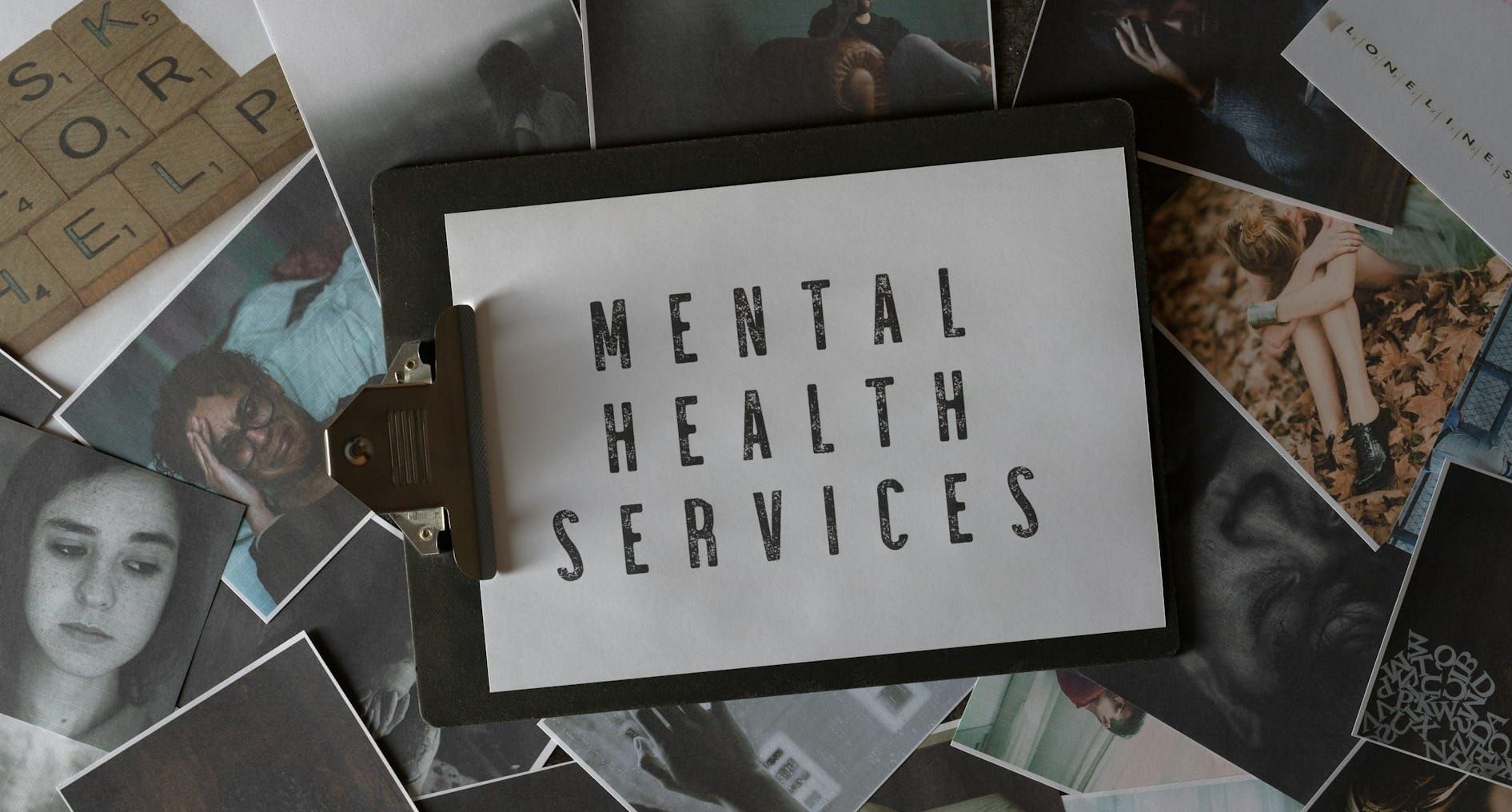
Several studies, Indian and global, point to sex workers, especially in low and middle-income nations, experiencing disproportionately high levels of psychological distress and psychiatric vulnerability, including depression, anxiety disorders, trauma-related symptoms, substance dependence, and suicidal ideation.
In a populous nation like India the scale of the problem is huge, even for the general population. The Indian Psychiatric Society, in its 77th annual conference in January 2026, warned that “over four out of five Indians suffering from psychiatric disorders do not receive timely or adequate treatment” and that “the burden is particularly severe among vulnerable groups.”
A seminal study titled “Mental health problems among female sex workers in low- and middle-income countries: A systematic review and meta-analysis,” published in PLOS Medicine, in September 2020, remarked that “mental health problems are an important burden of disease experienced by many FSWs in LMICs, with levels substantially greater than those experienced by women in the general population.”
The Cause/s
There is a widely-held belief that the nature of sex work is to blame. That may only be partially true. Research points to a repeated, troubling pattern of convergence of structural, occupational, social, and health-related stressors that independently increase psychiatric risk for this group. Understanding the underlying causes is an important step in creating solutions to address the final outcome, improved mental health of sex workers. Understanding those pathways matters because solutions differ dramatically depending on diagnosis.
Violence and trauma
Sex workers are often subject to violence in overt and subtle forms. This includes threats, exploitative control by middlemen, sexual violence and even police harassment.
Repeated trauma exposure increases risk of depression, anxiety disorders, post-traumatic stress disorder (PTSD), substance dependence, hypervigilance and chronic stress responses.
Social exclusion
Stigma based on various identities like gender, status as a migrant, LGBTQ identity, and class/caste, or occupation often leads to rejection from family members. Stigma associated with social exclusion is recognised as a chronic psychological stressor, sometimes referred to as ‘minority stress,’ the effects of which include internalised shame, social withdrawal, loneliness, reduced self-esteem and depressive symptoms. The need to constantly hide aspects of their lives makes the condition intense.
A 2019 health rights submission to CEDAW contributed to by Sadhana Mahila Sangha argued that “The isolation faced by sex workers marginalised by their work has an adverse impact on mental health, emotional health causing severe stress and depression.”
Economic insecurity
“Psychiatric morbidity among female commercial sex workers,” an article published in the Indian Journal of Psychiatry in September 2017, based on a study primarily in Shillong, India, reported that “an absolute majority (100%) of the respondents agrees that the reason for starting sex work is because they need money. Apart from this, a majority (98%) of the respondents could not find another job and even though if they found one, they could not earn enough money from that job and it does not suffice their needs.”
Financial stress and uncertainty, apart from being the reason for many to adopt this trade, prolonged stress pathways and is a major predictor of poor mental health.
Substance use/ abuse
Alcohol and other substances are frequently used as a coping mechanism for trauma, sleep difficulties and anxiety. They provide temporary relief but worsen psychiatric symptoms over time.
Criminalisation and legal ambiguity
Legal frameworks addressing sex work are often ambiguous and provide extortionary powers to ‘protectors’ like the police who can abuse those powers. This environment where one has to live in constant fear of consequences, including being classified as a criminal, can produce chronic anticipatory anxiety.
Where does India stand today?
Public discourse around sex work in India tends to revolve around legality, or the lack of it, trafficking, policing, HIV prevention, and livelihood security remain the focus of the public discourse. As a result, issues of mental health of people engaged in the trade often receive far less attention and support. A direct outcome is the limited psychological support systems tailored to address the issues faced by sex workers who continue to carry these invisible psychological burdens.
That being said, the recognition of the need to provide a supporting framework that can support the psychological and psychiatric needs of FSWs is emerging. Indian experts and sex worker organisations are increasingly emphasising that psychological vulnerability often emerges not from sex work in isolation, but from the combination of stigma, violence, exclusion, unstable working conditions, and inadequate support systems.
The study published in PLOS Medicine referred earlier, concluded that mental health interventions for FSWs were not available as none of the studies examined by them, which included several that were specific to India, described one, and stressed on their urgency to “address the current treatment gap.”
What Should Be Done?
Fixing a problem has to start with recognising it and evaluating its scale and severity. The Indian Journal of Psychiatry says, “Assessment of the psychiatric morbidity in FCSW is significant in developing health policy and interventions to reduce their impact on their well-being. It is the immediate need that the governmental and nongovernmental agencies, mental health professionals, and workers in this area need to be sensitized to the issue of mental health status of the commercial sex workers.”
An April 2024 article in Nature Portfolio, concurs and says: “It is essential to consider their voices and perspectives when discussing policies, programs, and interventions aimed at supporting their mental health and well-being.”
As activist Meena Seshu says, "The one thing I've always believed in is that we don't listen to women enough, even in the feminist movement. With sex workers, we don't listen to them at all."
It is not that there is an absence of ideas and starting points.
The study published in PLOS Medicine recommends, among other steps:
“Strategies to prevent suicide could include promoting mental health, limiting access to the means for suicide, reducing harmful alcohol use and violence experience, and…Such interventions should also be suitable for FSWs and could be adapted and embedded within existing HIV service provision.”
“…the strong associations between mental health disorders and key occupational risk factors such as violence and harmful alcohol and drug use support the need for upstream structural interventions as part of holistic HIV prevention programming for FSWs. Low-cost, brief psychological interventions to treat harmful alcohol use could also be adapted to FSW settings.”
Conclusion
Indian public-health interventions targeting sex workers have historically focused heavily, and appropriately, on HIV prevention and sexual health. Those efforts produced major gains.
While psychological support services tailored specifically to sex workers have not expanded at the same pace, there should be hope that the experience with HIV prevention and sexual health can be replicated.